


Fighting chronic pain and inflammation: how can nutrition help?

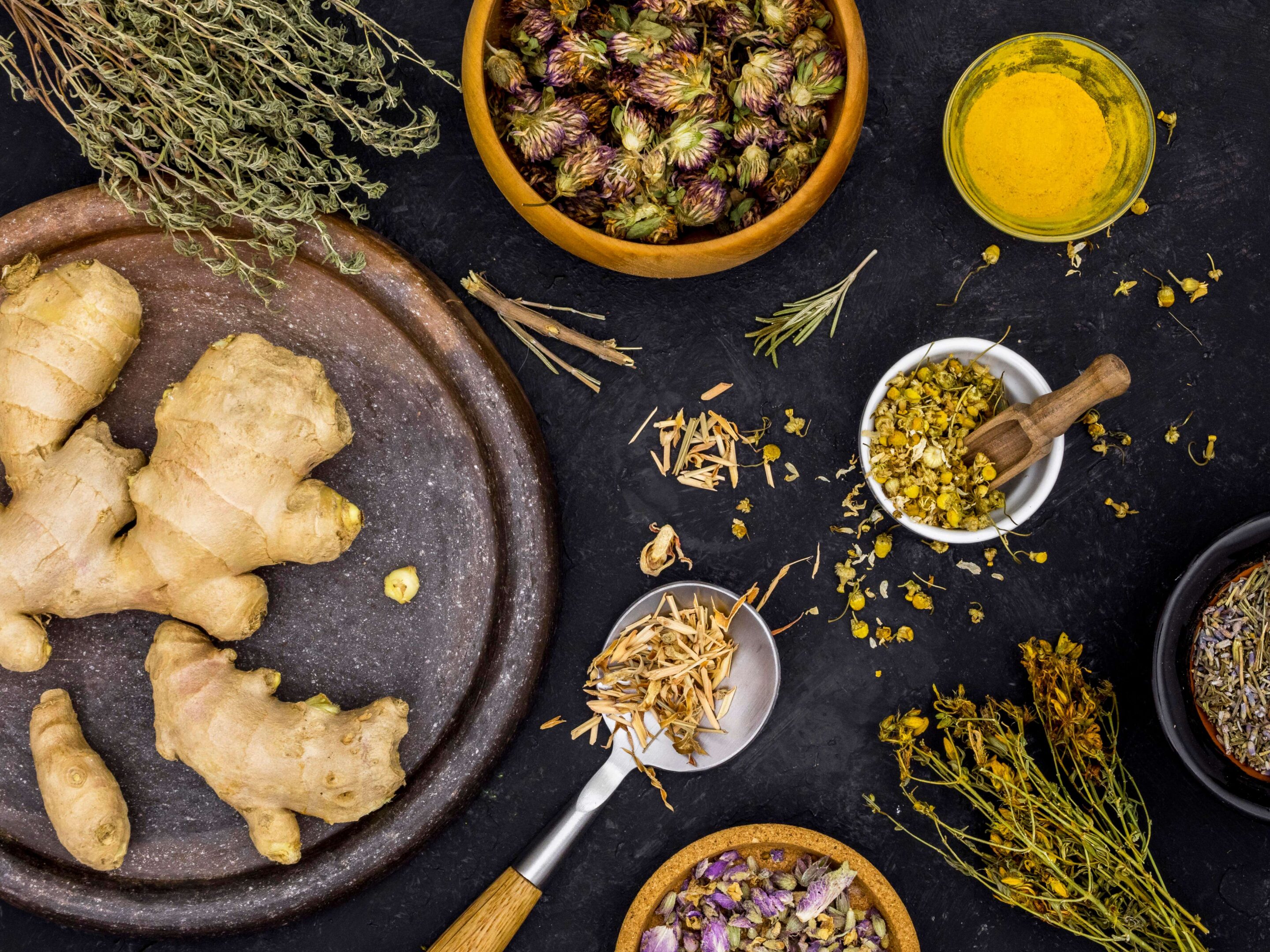
Chronic pain affects millions of people worldwide and often leads to a serious decline in quality of life. It is most commonly managed with medicines such as opioids and nonsteroidal anti-inflammatory drugs (NSAIDs). Despite their effectiveness, these medicines can cause unwanted side effects, especially with prolonged use. This is why more and more people are seeking gentler and more sustainable solutions. One approach attracting increasing interest is anti-inflammatory nutrition. It focuses on reducing systemic inflammation in the body – a factor underlying many chronic pain conditions.
What is the connection between chronic pain and inflammation?
Chronic pain is a condition in which discomfort persists for a long period of time – usually more than 3 to 6 months. Unlike acute pain, which has a protective function and signals injury, chronic pain often remains even after the tissues have healed. It is not simply a symptom, but a complex condition that can affect physical health as well as emotional well-being, sleep and quality of life.
One of the key factors associated with chronic pain is inflammation. Inflammation is a natural immune response to infections, injuries or other irritants. In the short term (acute inflammation), this process is beneficial – it helps the body protect and repair itself.
The problem arises when inflammation becomes chronic. The immune system then remains constantly activated, even without a real threat. This leads to prolonged release of inflammatory substances (such as cytokines), which can:
- irritate nerve endings and intensify the sensation of pain
- lower the pain threshold, making the body more sensitive
- maintain a “vicious cycle” in which inflammation intensifies pain, while pain in turn sustains inflammation
Over time, this process can lead to so-called nervous system sensitization – a condition in which the brain and nerves begin to respond more strongly even to mild stimuli. This is why people with chronic pain often feel discomfort without a clear cause or with minimal exertion.
Chronic inflammation also affects metabolism, hormonal balance and immune function. It is associated with conditions such as arthritis, autoimmune diseases, metabolic syndrome and even depression – all of which may be accompanied by chronic pain.
Understanding this connection is important because it shows that pain management is not limited to painkillers alone. Approaches aimed at reducing inflammation – such as an anti-inflammatory diet, a balanced lifestyle and support for gut health – can play a significant role in relieving symptoms and improving overall well-being.
Principles of anti-inflammatory nutrition for pain
Food has a direct effect on inflammatory processes in the body and therefore on the perception of pain. When so-called pro-inflammatory foods dominate the diet, they can intensify both acute and chronic inflammation. This often leads to more severe or longer-lasting pain – for example in joint problems, muscle tension or chronic conditions.
A high intake of highly processed foods is typical of the modern diet. In many cases, between 40% and 80% of daily calories come from foods such as added sugars, white flour, refined carbohydrates and trans fats. These ingredients not only have low nutritional value, but also stimulate inflammatory responses in the body. The greater the proportion of processed foods in the daily diet, the higher the risk of inflammatory diseases and chronic pain.
Anti-inflammatory nutrition, on the other hand, aims to reduce these processes and support the body’s natural recovery mechanisms. It is based on increased intake of whole, minimally processed foods – fresh fruit and vegetables, whole grains, quality protein sources and healthy fats.
Fruit and vegetables are especially important because they contain polyphenols and other antioxidants. They protect cells from damage, reduce oxidative stress and support inflammation control. This matters not only for pain relief, but for overall health as well.
Healthy fats also play a key role. Omega-3 fatty acids found in oily fish, chia seeds and avocado have proven anti-inflammatory effects. They support immune system balance and may reduce the intensity of inflammatory processes in the body.
When followed consistently, this type of diet may improve chronic pain and support treatment. An anti-inflammatory diet also has broad effects, supporting the function of various systems in the body, including the immune, digestive and cardiovascular systems.
Main anti-inflammatory foods
Anti-inflammatory foods play a key role in maintaining balance in the body. They do more than provide nutrients; they actively support the reduction of inflammatory processes that often underlie chronic pain, fatigue and a range of conditions.
When consumed regularly, these foods may have a positive effect on both the immune system and overall health. Here are the most important groups:
Fruit
Fruit is a natural source of antioxidants, vitamins and water. It contains bioactive compounds that neutralize free radicals and reduce oxidative stress – one of the main drivers of inflammation. Berries, citrus fruits and pomegranate are especially beneficial.
Vegetables
Vegetables, especially leafy greens (such as spinach and kale) and cruciferous vegetables (broccoli, cauliflower, Brussels sprouts), are rich in phytochemicals and antioxidants. They support the body’s detoxification processes and help protect against chronic inflammation.
Fish and sources of omega-3
Oily fish – such as salmon, mackerel and sardines – is among the best sources of omega-3 fatty acids. They have proven anti-inflammatory effects and support heart, brain and joint health. For people who do not eat fish, good alternatives include flaxseed, chia seeds and walnuts.
Nuts and seeds
Nuts and seeds contain beneficial fats, plant proteins, fiber and polyphenols. They support metabolism and reduce inflammatory markers in the body. Regular consumption is associated with a lower risk of cardiovascular and metabolic diseases.
Extra Virgin Olive Oil
Cold-pressed olive oil is a key element of anti-inflammatory nutrition. It contains monounsaturated fats and powerful antioxidants such as polyphenols, which help reduce inflammation and protect the cardiovascular system.
Turmeric
Turmeric is well known for its active compound – curcumin – which has strong anti-inflammatory properties. For better absorption, it is best combined with black pepper, which increases its bioavailability.
Ginger
Ginger has a long history of use both in cooking and traditional medicine. It helps reduce inflammation, improves digestion and may relieve symptoms such as pain and stiffness.
Garlic
Garlic contains active compounds such as allicin, which have antimicrobial and anti-inflammatory effects. It also supports the immune system and cardiovascular health.
Including anti-inflammatory foods in the daily diet is one of the most natural and effective strategies for maintaining good health. This does not require extreme changes, but rather consistent choices of high-quality, varied foods. Over time, this approach may help reduce chronic pain, improve energy and support better overall balance in the body.
Scientific evidence related to nutrition and pain management
Modern scientific research increasingly shows that diet can directly influence the sensation of pain, especially in chronic conditions. One of the most studied approaches is so-called anti-inflammatory nutrition.
Chronic pain is often associated with low-grade but persistent inflammation in the body. This is where nutrition plays a key role. Certain dietary patterns can reduce inflammatory processes and thereby influence both the intensity and frequency of pain.
Scientific evidence shows that people who follow an anti-inflammatory diet experience reductions in important inflammatory markers in the body. These include C-reactive protein (CRP), erythrocyte sedimentation rate (ESR), interleukin-6 (IL-6) and tumor necrosis factor-alpha (TNF-α). These indicators are used in medicine to assess the level of inflammation in the body. When their values decrease, symptoms, including pain, generally improve as well.
The Mediterranean dietary pattern receives particular attention in the scientific literature. A study published in the journal “Nutrients” shows that people who follow this type of diet report a noticeable reduction in pain. This applies both to degenerative conditions such as osteoarthritis and to autoimmune diseases such as rheumatoid arthritis.
The reason for these effects lies in the composition of the diet. It includes large amounts of vegetables and fruit rich in antioxidants, healthy fats from olive oil and omega-3 fatty acids from fish. These nutrients help reduce inflammation, improve cellular function and create a more balanced internal environment.
As a result, anti-inflammatory nutrition does more than influence symptoms; it acts on one of the main causes of chronic pain. This is why this approach is increasingly regarded as an important part of a comprehensive strategy for maintaining health and quality of life in people with chronic conditions.
A complementary approach for better results
When discussing inflammation and chronic pain, the role of the following should not be underestimated either gut balance. A growing body of research shows that the condition of the microbiota directly influences immune responses and inflammatory processes in the body. In this context, targeted support for gut balance can be added to a well-structured anti-inflammatory regimen. One example of such an approach is taking Candiclear Duo – a two-phase action formula. During the day, active plant ingredients help limit unwanted microorganisms, while in the evening the probiotic component supports restoration of beneficial microflora. This type of combination supports digestive balance and may also have an indirect effect on inflammation in the body. When nutrition and internal balance work in synergy, results are often more sustainable – both for overall health and in the management of chronic pain.
Sources:
- Christie, J. (2023, December 23). Health Benefits of Green Tea and How to Include It in Your Diet. Rupa Health. https://www.rupahealth.com/post/health-benefits-of-green-tea-and-how-to-include-it-in-your-diet
- Cloyd, J. (2023, November 16). How a Leaky Gut Could Be Contributing to Your Inflammation. Rupa Health. https://www.rupahealth.com/post/how-a-leaky-gut-could-be-contributing-to-your-inflammation
- Cloyd, J. (2023, November 2). The Top 5 Therapeutic Uses of Garlic: From the Kitchen to the Medicine Cabinet. Rupa Health. https://www.rupahealth.com/post/the-top-5-therapeutic-uses-of-garlic-from-the-kitchen-to-the-medicine-cabinet
Cloyd, J. (2023, October 16). Top 10 Herbs for Intestinal Inflammation. Rupa Health. https://www.rupahealth.com/post/top-10-herbs-for-intestinal-inflammation

