


What are the benefits of taking probiotics?

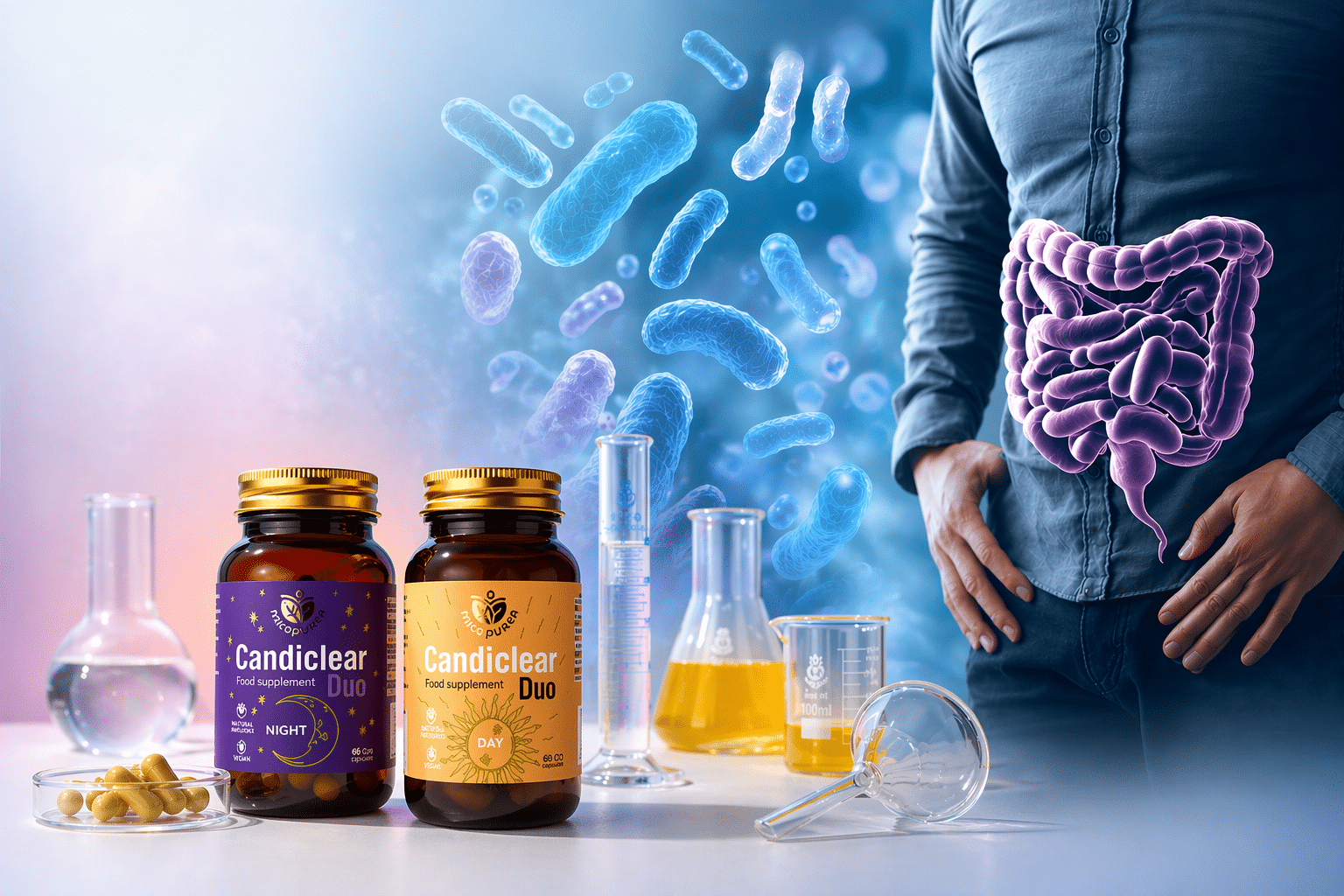
We all know that probiotics are important for health, but do we ask ourselves why? The human microbiome consists of trillions of microorganisms, and they are crucial for maintaining the body’s overall health and well-being.
In this article, we will explore the potential of probiotics to restore and maintain harmonious balance within the human microbiome. Beneficial bacteria not only have the ability to promote optimal gut health, but also offer many other health benefits you may not be aware of.
What is the human microbiome?
The human microbiome is one of the most interesting fields to have attracted the attention of the medical community in recent years. It is the collection of microorganisms that inhabit our bodies. It is important to note that this microbial world does not exist in isolation from us; on the contrary, it consists of bacteria, viruses, fungi and other microorganisms that live together within our bodies.
The number of these microbial cells is remarkable, as they inhabit different parts of the human body, including the skin, oral and nasal cavities, gastrointestinal tract and even the genital area. They represent thousands of different species of microorganisms, and together they form a complex microbial ecosystem. In practice, the estimated number of these microbial cells in the human body is around 100 trillion.
It is important to emphasize that this world of microorganisms and the human body exist in a symbiotic relationship. This means that microbes and humans interact together and influence one another. Microbes assist in various processes in our bodies, such as nutrient absorption, support of the immune system and even our mood and mental health.
The human microbiome therefore plays an extremely important role. Studying this microbial world has the potential to expand our understanding of many aspects of human health and lead to new ways of treating various diseases.
What is dysbiosis?
Dysbiosis is a condition in which the normal balance of microorganisms in the human microbiome is disrupted. This microbiome consists of various bacteria, viruses, fungi and other microorganisms that inhabit our gastrointestinal tract, skin and other parts of the body.
When the imbalance of microorganisms increases, this disrupted balance can lead to a range of unwanted symptoms and health problems. Some symptoms that may occur with dysbiosis include:
- Gas and abdominal bloating
- Poor digestion
- Leaky gut
- Systemic imbalances
- Mental health disorders such as anxiety and depression
- Impaired immune system function
- Impaired liver function
- Changes in blood sugar levels
- Hormonal imbalance
What are probiotics?
The term “probiotic” comes from Greek and literally means “for life.” Probiotics are beneficial bacteria that normally inhabit the human gastrointestinal tract and have a positive effect on our health.
Probiotic food supplements provide specially processed bacteria or yeasts in the form of freeze-dried microorganisms that are able to survive passage through the gastrointestinal tract. This careful processing helps the microorganisms survive the acidic environment of the stomach and reach the intestinal tract, where they can participate in regulating the balance of the microbial flora.
Taking probiotics supports the health of the human microbiome and can improve gastrointestinal function. These supplements may also offer other potential benefits such as supporting the immune system, reducing inflammation and helping maintain optimal digestive function.
Probiotics and benefits for gut health
Probiotics have proven benefits for gut health. They help promote gastrointestinal health and immune function, but are also used for other health purposes.
Probiotics improve the gastrointestinal environment and make it less hospitable to unwanted microbes. They may prevent unwanted bacteria from adhering to the gastrointestinal lining, acting as “colonization barriers.”
Probiotics produce antimicrobial compounds such as bacteriocins that modify the microbiome in a positive direction. They also produce hydrogen peroxide and organic acids that help maintain an optimal intestinal pH and provide energy to the cells lining the colon.
Probiotics and immune health benefits
Probiotics stimulate the immune response and support the immune system’s defenses. They increase the secretion of immunoglobulin (Ig) A – an antibody that coats the gastrointestinal tract, which acts as a first line of defense against infection. IgA is a nonspecific antibody that can bind to and neutralize unwanted microorganisms. Some probiotics have also demonstrated the ability to activate key immune cells – natural killer cells, macrophages and T lymphocytes.
Probiotics and antibiotic-associated dysbiosis
One of the best-documented uses of probiotic supplements is the prevention of antibiotic-associated dysbiosis. Most antibiotics kill both disease-causing organisms (pathogens) and beneficial bacteria. This causes significant disruption of the microbiome and leads to diarrhea in around 35% of people taking antibiotics.
Probiotics can help restore balance and prevent imbalance. It is recommended to start probiotics within the first two days after beginning antibiotics. Multi-strain products with a high concentration (30 to 100 billion bacteria) are recommended for dysbiosis.
Probiotics and skin and nail health
The connection between gut health and the condition of the skin and nails is becoming increasingly clear in modern scientific research. The gut microbiome actively participates in regulating the immune system, inflammatory processes and the absorption of key nutrients – factors that directly influence the appearance and strength of the skin and nails. When the balance of beneficial bacteria is disrupted, conditions such as acne, eczema, dry skin or brittle nails are often observed.
This is where probiotics play an important role – they support the restoration of microbial balance, improve the skin’s barrier function and may reduce inflammation in the body. In addition, by supporting better absorption of nutrients such as biotin, vitamin D and zinc, probiotics contribute to healthier, more resilient skin and stronger nails.
Including them as part of a comprehensive approach – together with a balanced diet and microbiome care – can be a key factor in maintaining good appearance and internal balance over the long term.
Recommendations when choosing probiotics
Probiotic dosage recommendations are based on two main factors: the quality of the strains in the formula and their viability at the time of consumption. Viability depends on proper manufacturing and storage of the product.
When choosing probiotic supplements, it is important to look for products with a specified number of live organisms measured in colony-forming units (CFU). For prevention, 5 billion to 30 billion CFU per day is most commonly recommended. It is also advisable to pay attention to:
- the presence of specifically identified strains (e.g. Lactobacillus, Bifidobacterium)
- combining with prebiotics for a better effect
- resistance to stomach acid
- storage conditions
When probiotics alone are not enough
It is important to emphasize that probiotics work best when they are part of a broader approach to microbial balance. In many cases – especially skin and nail problems associated with fungal overgrowth – simply adding “good bacteria” is not enough.
The imbalance often also involves pathogenic microorganisms that sustain inflammation and impair the skin’s barrier function. This is why the modern approach includes two phases:
- control of unwanted microorganisms
- restoring microbial balance
This logic is also supported by scientific data on the so-called “gut–skin axis,” according to which the state of the microbiome directly influences the skin and inflammatory processes.
Practical recommendation: a combined approach
In this context, products such as Candiclear Duo can be a good complementary strategy. They are not a classic probiotic, but work more comprehensively:
- daytime formula with plant-based antimicrobial ingredients (e.g. oregano, clove, berberine)
- night formula with probiotics to restore the gut flora
- focus on control followed by restoration, rather than on only one of the two processes
This type of structured approach is particularly suitable for:
- fungal nail infections
- chronic skin problems
- symptoms of microbiome imbalance
Ultimately, the best choice of probiotic or combined product depends on the individual’s condition. The key is not simply the number of bacteria, but the right strategy for restoring balance from within.

