


The connection between gut balance and the condition of the skin and nails

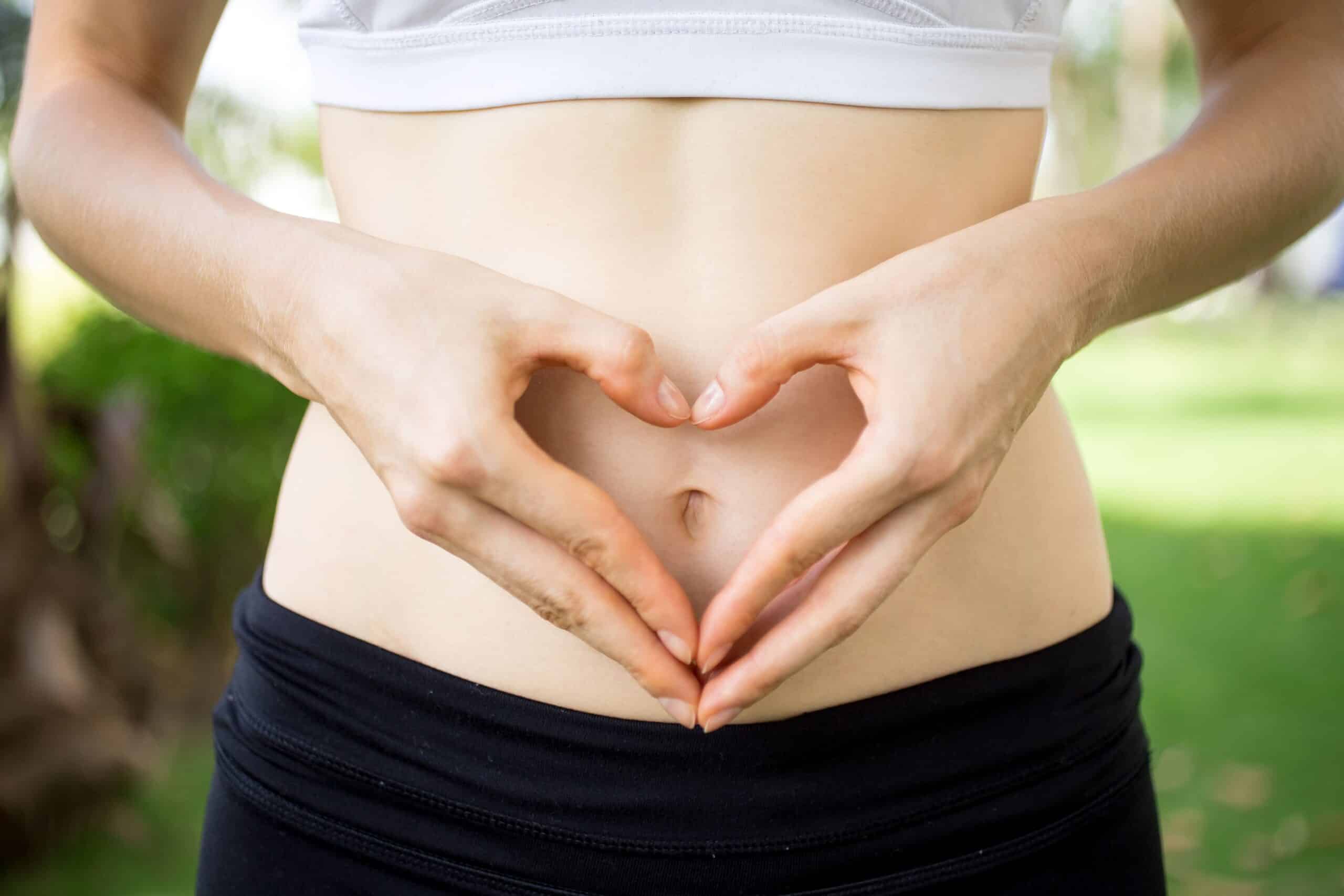
The skin and nails are often the first to show that there is an internal imbalance in the body. They renew rapidly and depend directly on the body’s internal environment – the nutrients it absorbs, immune regulation, the level of inflammation and hormonal balance.
When these processes are disrupted, the skin reacts almost immediately. It is a protective barrier and an active part of the immune system, so any change in internal balance is reflected in it. Nails are made of structural proteins and also clearly show when the body is not receiving or absorbing the nutrients it needs efficiently enough.
This is why symptoms such as dryness, flaking, redness, recurrent inflammation, brittle nails, ridging or slowed growth are rarely only a cosmetic problem. In most cases, they signal a deeper imbalance in the body.
Very often, this process is related to the condition of the gut and the gut microbiome. When gut balance is disrupted – for example due to stress, antibiotic use or an unbalanced diet – the absorption of vitamins and minerals worsens, inflammation in the body increases and the immune system is placed under greater strain. The result gradually becomes visible exactly where the body “speaks” most clearly – on the skin and nails.
Signs of imbalance: changes in the skin and nails
When the body’s internal balance is disrupted, the skin and nails rarely react suddenly. Changes appear slowly and accumulate over time. They often look like a “stubborn” cosmetic problem that temporarily improves but quickly returns.
What is most commonly observed on the skin
- chronic dryness that does not respond to cosmetic products
- increased sensitivity to cold, heat or cosmetics
- a feeling of tightness, burning or stinging
- redness and easy irritation
- frequent inflammation – eczema, atopic dermatitis, rashes
- itching without an obvious external cause
- slow healing – pimples, scratches and small wounds heal poorly and leave scars
What can be observed on the nails
- easy breakage and splitting
- thinning and softening of the nail plate
- slowed growth
- changes in the smooth surface and loss of shine
- white spots
- longitudinal lines or changes in color
What is characteristic of all these symptoms is that they intensify during periods of stress, with an unbalanced diet or after antibiotic use. These are precisely the factors that most often disrupt the gut microbiome. When the balance of bacteria in the gut changes, the absorption of vitamins and minerals worsens and inflammation in the body increases. The body begins to “show” this externally – through the skin and nails.
The skin – nails – internal balance connection
The skin and nails are not separate structures, but different manifestations of the same system. Both are built from similar structural proteins, constantly renew themselves and respond to the body’s internal environment. This is why changes in their condition often appear together and share a common cause.
The condition of the skin and nails depends on several key processes in the body: proper nutrient absorption, a well-regulated immune response, control of inflammation and stable intestinal barrier function.
When gut function is impaired, the absorption of vitamins, minerals and amino acids is affected first. Even with a good diet, the body may not actually receive the substances it needs. Over time, this leads to structural changes: the skin becomes drier, more sensitive and slower to recover, while the nails become thinner, grow more slowly and break more easily.
The reason is that the skin and nails are particularly sensitive to deficiencies and chronic low-grade inflammation. When the intestinal barrier and microbial balance are disrupted, inflammatory processes intensify and the body redirects its resources toward vital functions. As a result, these peripheral structures are often the first to show that internal balance has been disrupted.
What is the role of the gut microbiome?
The gut microbiome is the community of microorganisms living in the intestines. It is involved in more than digestion. It has a direct role in regulating the immune system and inflammation. These are two of the most important factors determining skin condition.
When the microbiome is balanced, the immune response is calmer and more controlled. The body responds appropriately to irritants without triggering unnecessary inflammation. As a result, the skin maintains its protective barrier more easily, is more resilient to external factors and develops irritation less often.
When microbial balance is disrupted, however, the situation changes. There is reduced diversity of beneficial bacteria and lower levels of microorganisms that produce short-chain fatty acids such as butyrate. These substances have anti-inflammatory effects and support the integrity of both the intestinal and skin barriers. When their levels fall, susceptibility to inflammation increases and the skin becomes more sensitive. This is why altered gut microbiomes are often found in conditions such as eczema.
Development of the gut microbiome throughout the life cycle
The gut microbiome is built, changes and adapts throughout life. Its composition is influenced by diet, medication use (especially antibiotics), physical activity, the environment, stress and various diseases. That is why caring for it matters at every age. A diet rich in fiber, prebiotics and probiotics can noticeably support its balance at every stage of life.
Birth and early childhood
The gut microbiome begins to develop at birth. The way a baby is born determines which microorganisms will first colonize the gut. During vaginal birth, the baby comes into contact with the mother’s microflora. Bifidobacteria – beneficial bacteria that support maturation of the immune system and protect against disease-causing microorganisms – begin to predominate in the baby’s gut. In this case, the microbiota resembles the mother’s vaginal microflora. With a cesarean delivery, the first contact is mainly with bacteria from the skin. The composition of the microbiome is different and often includes fewer beneficial bacteria, which may slow the development of immune defenses. Feeding also plays a major role. Breast milk naturally contains substances that support the growth of beneficial bacteria. With formula feeding, the microbiome has a different composition, but adding prebiotics such as galacto-oligosaccharides (GOS), inulin and fructo-oligosaccharides (FOS) supports an increase in bifidobacteria and the development of a more balanced gut microbiota.
Adulthood
In adulthood, the microbiome is usually at its most stable, but it remains strongly dependent on lifestyle. An unbalanced diet, frequent antibiotic use, chronic stress and lack of sleep can gradually lead to imbalance (dysbiosis). This may manifest as digestive complaints, reduced immunity, increased inflammation and often dermatological problems.
Aging
As we age, the composition of the microbiome changes again. Beneficial bacteria decrease and the tendency toward dysbiosis increases. This may contribute to constipation, more frequent infections, inflammatory processes and even conditions such as metabolic disorders, depressive symptoms and reduced bone density.
Changes in the microbiome also weaken the immune system’s protective functions. This is why, later in life, it becomes especially important to maintain a varied and balanced diet with sufficient fiber, as well as regular intake of prebiotic and probiotic foods.
Caring for the gut microbiome is not a one-time action, but a long-term process. It is influenced daily by our choices, and its condition gradually affects overall health – including immunity, energy levels, and the condition of the skin and nails.
Why is topical skin and nail care not enough?
Creams, emollients and dermatological products are an important part of skin care. They restore the surface barrier, reduce dryness and relieve discomfort. In chronic problems, however, they often act only symptomatically. In eczema and other inflammatory conditions, topical treatment can temporarily reduce itching and redness, but if internal balance remains disrupted, the complaints return. The reason is that the inflammatory process starts “from within,” while the skin merely displays it. This is why external care alone rarely leads to lasting improvement.
A comprehensive approach: care from the outside and within
A growing body of scientific evidence supports an integrated approach combining external skin care with internal support for the body. This includes maintaining the skin barrier with appropriate products, while also paying attention to gut health, diet, sleep and stress.

A diet rich in fiber, prebiotics and probiotics supports gut balance and reduces systemic inflammation in the body. Limiting foods that cause individual sensitivity may also be important. Adequate sleep, stress management and sensible use of medicines, especially antibiotics, are also important.
As the internal environment begins to recover, this gradually becomes visible externally: the skin becomes calmer and recovers more easily, while nails begin to grow stronger and more resilient. In this way, skin care becomes not merely cosmetic, but part of comprehensive care for the body.
In this context, targeted food supplements focused on gut balance can also be used. Candiclear Duo is a two-phase program (DAY and NIGHT) that first supports the limitation of unwanted microorganisms through plant extracts and then supports restoration of the microbiome with probiotic strains and prebiotic fibers. This type of approach aims not only to provide temporary symptom relief, but also to create a more stable internal environment that supports the long-term condition of the skin and nails

