


Superficial fungal infections in children – causes, symptoms and natural treatment approaches

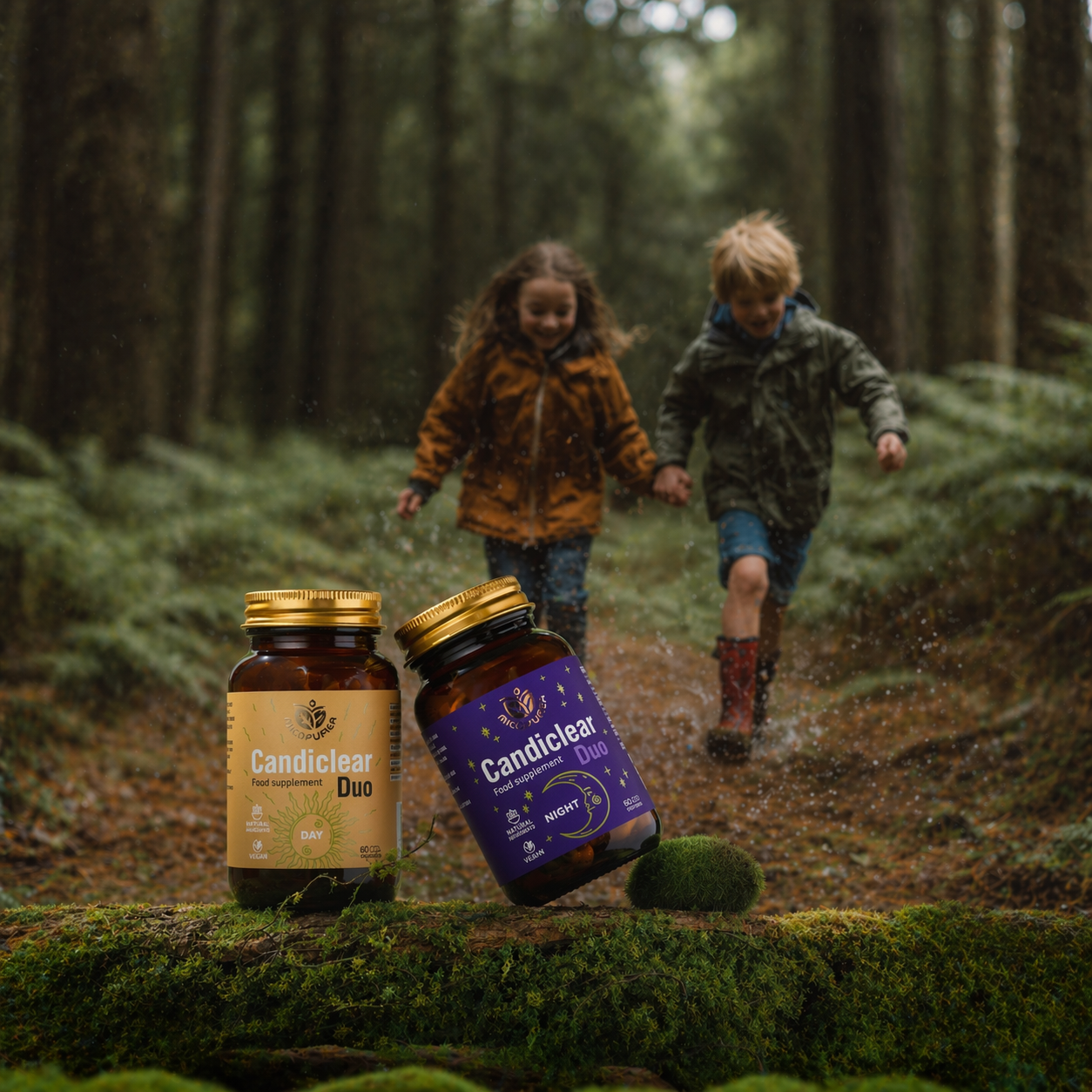
Superficial fungal infections in children are a common but often underestimated health problem. They may appear harmless at first – mild redness, scaling or itching – but without timely intervention they often spread and cause significant discomfort. Modern scientific research shows that the frequency of these infections in children is increasing, especially in group environments such as kindergartens and schools.
What are superficial fungal infections?
Superficial fungal infections, also known as mycoses, affect the outermost layer of the skin as well as the hair and nails. They are caused by microorganisms that thrive in a keratin-rich environment – keratin being the main structural protein in these tissues.
The main causative agents include dermatophytes (such as Trichophyton and Microsporum), Candida yeasts and lipophilic fungi such as Malassezia. Each of these microorganisms has specific characteristics and prefers different areas of the body, explaining the variety of clinical manifestations.
Why are children more susceptible to fungal infections?
Children’s bodies have several characteristics that make them more vulnerable to fungal infections. The immune system is still developing and does not always respond effectively to fungal pathogens. Children’s skin is also thinner and more sensitive, making it easier for microorganisms to penetrate.
Another important factor is the environment. Children spend a lot of time in close contact with other children and share toys, clothing and personal items. Contact with pets can also be a source of infection, especially with dermatophyte infections.
Additional factors include sweating, wearing synthetic clothing and the use of diapers in younger children, all of which create a warm and moist environment – ideal for fungal growth.
Most common types of fungal infections in children
One of the most common forms is so-called tinea capitis – a scalp infection that can lead to scaling, inflammation and even temporary hair loss. It is especially common in preschool and early school-age children.
Tinea corporis affects the smooth skin of the body and appears as characteristic round patches with clearly defined borders. Tinea pedis, although more common in adults, can also occur in children, especially those who are physically active.
Candidiasis is another common problem, especially in infants. It may appear as oral thrush or as a diaper-area rash. Pityriasis versicolor, caused by Malassezia, is more common in older children and adolescents and is characterized by patches of altered skin color.
Symptoms you should not ignore
Fungal infections can appear in different ways, but there are several characteristic signs that parents should recognize early. Redness, scaling and itching are most common. The patches often have a circular shape and clearly defined borders, while the center may look lighter.
When the scalp is affected, areas of hair loss and inflammation may appear. Nails may become thickened, brittle and discolored. It is important to note that not all skin rashes are fungal. This is why correct diagnosis is essential.
Diagnosis – why is it so important?
In many cases, an experienced dermatologist can make a diagnosis based solely on the appearance of the lesions. However, in more complex or atypical cases, laboratory methods such as microscopic examination and culture are used.
Current scientific evidence highlights that incorrect diagnosis often leads to ineffective treatment and chronic infection. This is particularly important in children, where symptoms may resemble other skin conditions such as eczema or psoriasis.
Conventional treatment
Treatment of superficial fungal infections depends on the type and severity of the infection. In milder cases, topical antifungal agents in the form of creams, lotions or shampoos are usually used.
For more severe or widespread infections, especially tinea capitis, systemic treatment with oral antifungal medicines is required. Scientific publications show that therapy should be continued for a sufficient duration to prevent recurrence.
Treatment should be carried out under medical supervision, especially in children, as some medicines have specific contraindications.
Natural and nutritional approaches to treatment
In keeping with a holistic approach, increasing attention is being paid to the role of nutrition and natural remedies in the fight against fungal infections.
Diet plays a key role, especially in Candida-related infections. Excessive intake of sugars and refined carbohydrates may promote fungal growth. It is therefore recommended to limit sweet foods and increase the intake of whole, unprocessed foods.
Foods rich in probiotics, such as yogurt and fermented products, support microflora balance. Garlic, coconut oil and oregano are known for their natural antifungal properties.
Herbal extracts are also used. Tea tree oil, for example, has a proven antifungal effect, but it should be used carefully in children and always diluted.
The role of the immune system
One of the most important factors in fighting fungal infections is a strong immune system. Children with weakened immunity are more susceptible to infections and suffer recurrences more often.
Maintaining good immunity includes a balanced diet, sufficient sleep, physical activity and reducing stress. In some cases, food supplements may also be used to support the body in fighting fungal overgrowth.
Prevention – the best treatment
Prevention remains the most effective approach. Good hygiene is essential – regular washing and thorough drying of the skin, especially in skin folds. Personal items should not be shared, and clothing should be made of breathable fabrics. If there are pets in the home, they should also be checked for fungal infections. In children’s group settings, extra attention is needed when characteristic symptoms appear.
Practical recommendations
Superficial fungal infections in children are common, but fully manageable with the right approach. The combination of timely diagnosis, appropriate treatment and support through nutrition and natural remedies gives the best results.
A combined approach is particularly effective – external treatment of the affected areas together with internal support for the body. In this context, food supplements with antifungal action can be used.
A good example in this regard is the Candiclear Duo food supplement. The formula contains natural ingredients, including extracts with proven antifungal activity. The plant extracts in the formula support balance in the body and can be a valuable part of a comprehensive strategy, especially for people prone to recurrence.
Ultimately, the key to success lies in an informed and consistent approach to treating fungal infections. The earlier the problem is recognized and action is taken, the faster and more effectively it can be resolved.

